

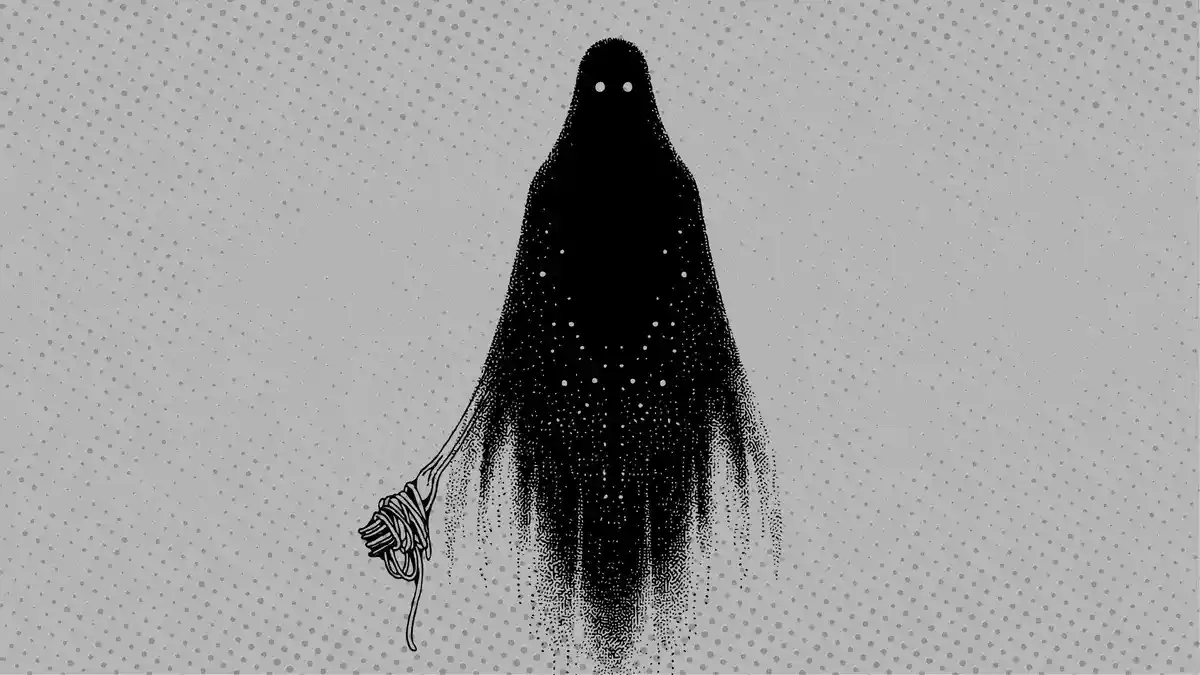
Remember the early days of the internet? Late-night scrolling, stumbling upon Jeff the Killer or Slenderman, and suddenly being too terrified to sleep. If you miss that eerie, nostalgic thrill, you are in luck: creepypasta is making a massive comeback. Thanks to creative storytelling on YouTube and TikTok, these copy-pasted horror stories from old-school forums have clawed their way back into the mainstream, captivating a whole new generation of digital natives.
For the uninitiated, “creepypasta” is a portmanteau of “creepy” and “copypasta” (viral text copied and pasted across the web). Originating in the dark corners of early internet forums like 4chan, these anonymous short stories were designed to unnerve readers. What made them so effective was their hyper-realistic framing—written as diary entries, leaked emails, or chat logs. They blurred the line between fiction and reality, leaving readers wondering if there was a grain of truth behind the horror.
The genre hit its stride between 2008 and 2012, spawning legends like Eric Knudsen’s Slenderman on Something Awful, Ted the Caver, and the gaming-centric BEN Drowned. As forum culture waned, YouTube channels like CreepsMcPasta and Chilling Tales for Dark Nights took the mantle, amplified by gaming giants like PewDiePie and Markiplier. However, the hype eventually plateaued due to oversaturation and low-quality copycats. More damagingly, the genre faced severe real-world backlash following the tragic 2014 “Slenderman Stabbing” in Wisconsin, where two 12-year-old girls stabbed a classmate to appease the fictional entity. The incident cast a dark shadow over the community, pushing creepypasta back into the shadows.
Today, creepypasta is experiencing a massive renaissance, adapted for the social media age. TikTok features millions of views on creepypasta cosplays and character rankings, while YouTube serves up highly produced retrospectives. The genre has also evolved, birthing innovative subgenres like analog horror (e.g., The Mandela Catalogue and Local 58), which use retro VHS aesthetics and AI-generated imagery to create deeply unsettling atmospheres. Another popular format is “rules horror,” which presents survival guides containing increasingly bizarre and terrifying instructions. Today’s creators are also more socially conscious, actively critiquing and moving away from the problematic tropes of the early 2000s.
Interestingly, Indonesia has cultivated its own vibrant creepypasta scene since the 2010s. Rather than just translating Western stories, local creators have masterfully blended traditional folklore with modern digital culture. Think kuntilanak haunting high-rise apartments, or a pocong caught on modern CCTV. Local urban legends like “Si Manis Jembatan Ancol” and “Noni Belanda” (The Dutch Ghost) have been repackaged with classic creepypasta plot twists. Platforms like Wattpad and Kaskus became breeding grounds for these tales. This movement peaked with massive viral sensations like Keluarga Tak Kasat Mata (which racked up millions of reads on Kaskus before becoming a movie) and KKN di Desa Penari (a viral Twitter thread that went on to become one of Indonesia’s highest-grossing box office films). Just like their Western counterparts, Indonesian creepypastas have successfully transitioned from niche online forums to the silver screen, proving that the urge to share scary stories is a universal human trait—no matter the medium.