

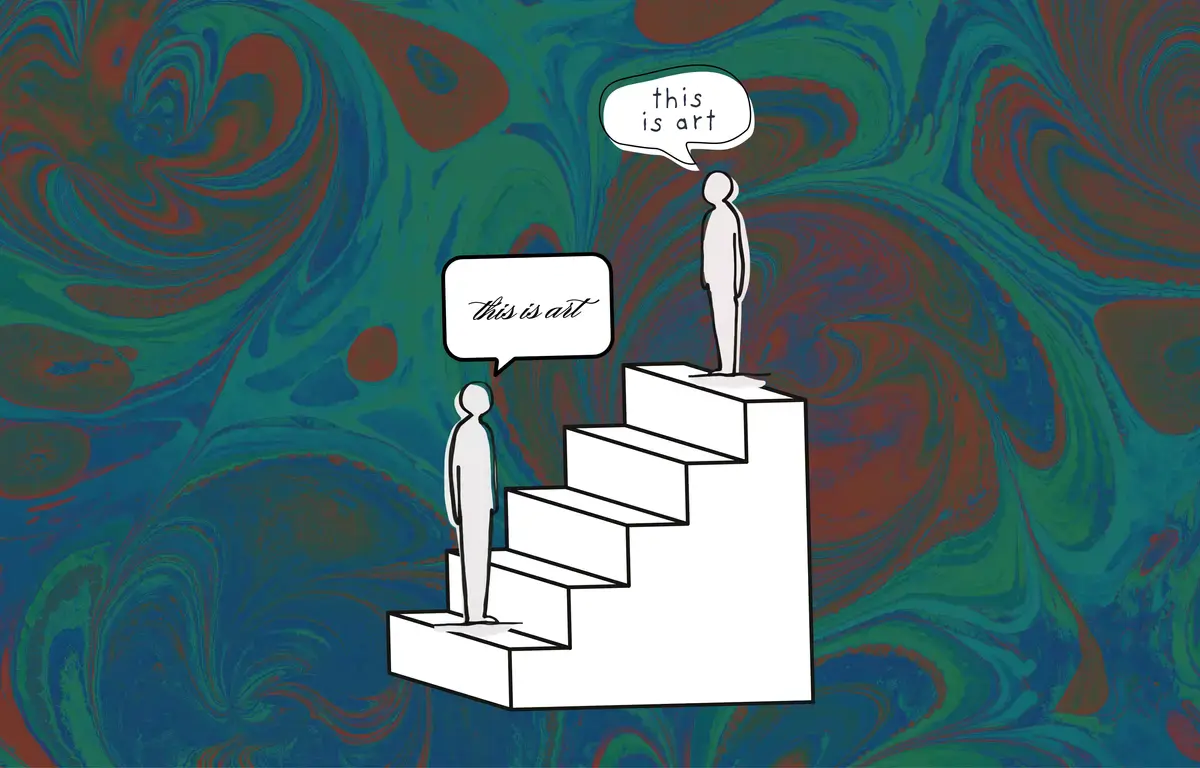
In Indonesian society, there is an unwritten consensus on human needs, traditionally summarized by the triad of sandang, pangan, papan—clothing, food, and shelter. In modern terms, we categorize these as primary, secondary, and tertiary. Where does art fit into this hierarchy? While art is intrinsically woven into our daily lives—from the clothes we wear to the architecture of our homes—it is rarely acknowledged as a necessity. For many, when putting food on the table and paying rent are daily struggles, spending money on paintings, vinyl records, or concert tickets feels like an indulgence, almost a social pretension. Consequently, art is locked away in the “tertiary” drawer, only to be opened when all survival needs are met.
Yet, from a psychological and social standpoint, art is far from a mere luxury. Studies show that art supports mental health, builds community identity, and even drives economic resilience. In his Sociology of Art (2014), Muhammad Jazuli argues that artistic expression satisfies a fundamental spiritual hunger. Similarly, Abraham Maslow’s hierarchy of needs places self-actualization and creative expression as vital components of human fulfillment once basic survival is secured.
History Repeating Itself
History shows a recurring pattern. In Greco-Roman antiquity, grand artistic endeavors like the Parthenon or theatrical spectacles relied heavily on elite patronage. While the public could spectate, deep appreciation and creation remained the exclusive domain of the wealthy and educated. Art was a tool of status and power. By the Neoclassical era, the Industrial Revolution birthed a new bourgeois class. Patronage shifted from aristocrats to wealthy merchants. While Mozart’s symphonies became more accessible, they remained out of reach for factory workers and farmers. Art became a symbol of middle-class refinement, leaving the grassroots marginalized.
Fast forward to today, and macroeconomic pressures are mounting. In Indonesia, inflation has squeezed purchasing power, driven by rising costs of food, beverages, and daily essentials. Despite central bank assurances, the purchasing power of vulnerable communities remains stagnant. The strain is palpable: as staple supplies fluctuate and fuel prices rise, the domino effect hits household budgets. In such an economic climate, the vulnerable have no choice but to sideline art entirely. Culturally, their access to art is often reduced to localized, grassroots spectacles that are frequently dismissed or undervalued by mainstream critics, performed by artists who might not even label themselves as such.
The fear that art will once again become an exclusive playground for the wealthy is a chilling prospect—arguably more daunting than the challenges faced during the pandemic. During COVID-19, despite physical lockdowns, urban consumers working from home redirected their commuting budgets toward streaming services, online art, and virtual concerts to maintain their sanity.
A Different Kind of Crisis
The current economic squeeze is different. Inflation doesn’t halt the art scene abruptly; instead, it slowly erodes the disposable income of those who once supported it. As living costs soar, “retail therapy” and cultural outings are the first to be cut. Without a safety net, independent creators face financial ruin. Art risks becoming a luxury reserved for those with generational wealth who can afford to create without worrying about bills.
This widens the cultural divide. Grassroots audiences are priced out of galleries and high-end festivals, left to consume art through street murals or free local events. If production costs continue to climb, even these community events may vanish, leaving people to experience art solely through short-form videos on their phones. This threatens to usher in a dull monoculture, silencing the vibrant, alternative narratives of smaller communities.
But true art is resilient. History proves that genuine creators always find a way. We are already seeing a rise in collective, self-funded, and grassroots collaborations. These initiatives may lack high-production polish, but they are democratic, inclusive, and fiercely independent. Ultimately, art does not need elite validation. Anyone, from any social class, has the power to define their own aesthetic on their own terms.